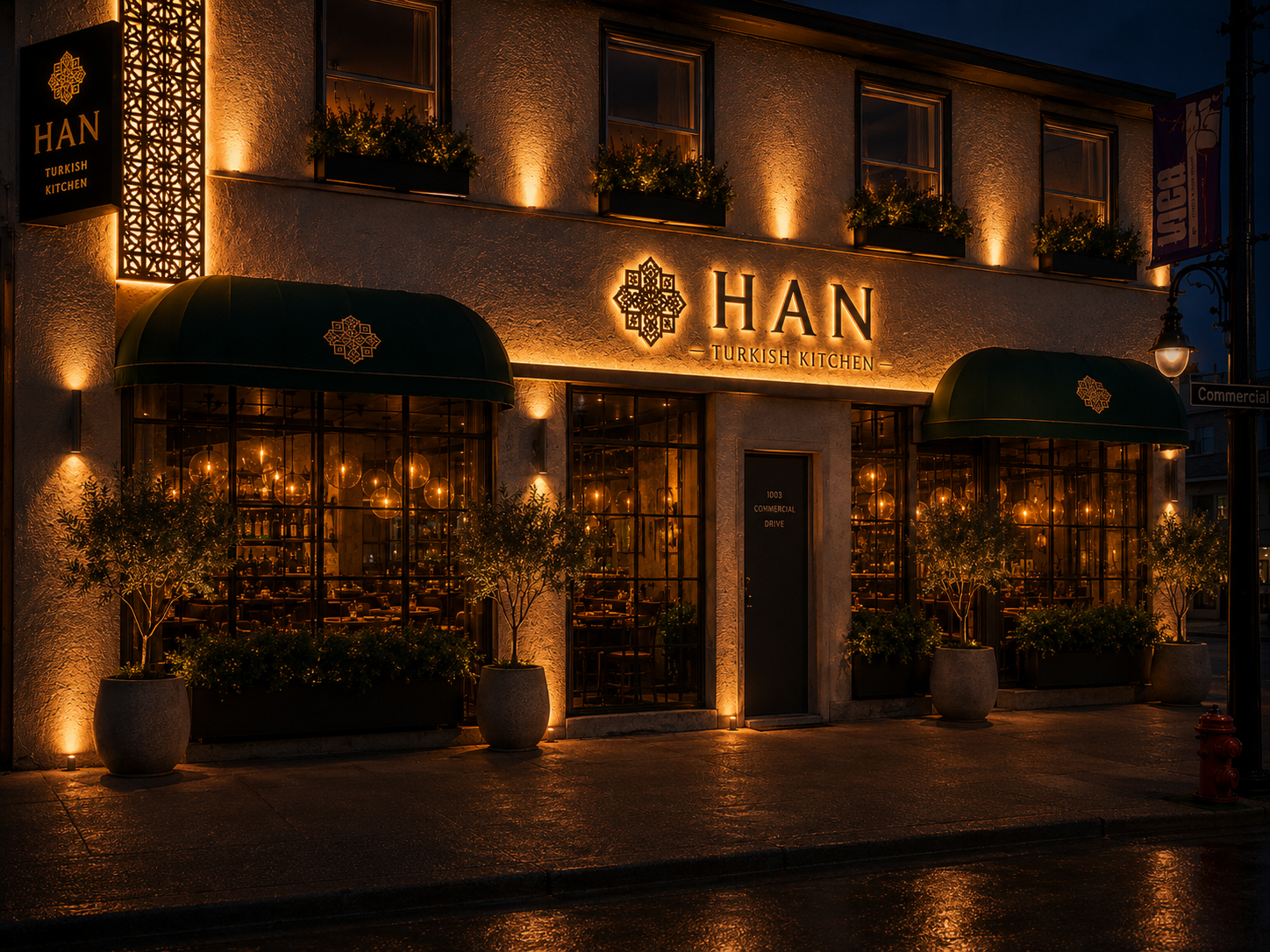
An Editorial Story · Twelve Thousand Years
The Journey
From the caravanserais of Anatolia to the tables of Vancouver, HAN is inspired by centuries of fire, spice, coffee, trade, and hospitality.
↓ Scroll
10,000 – 1200 BCE I · Ancient Anatolia
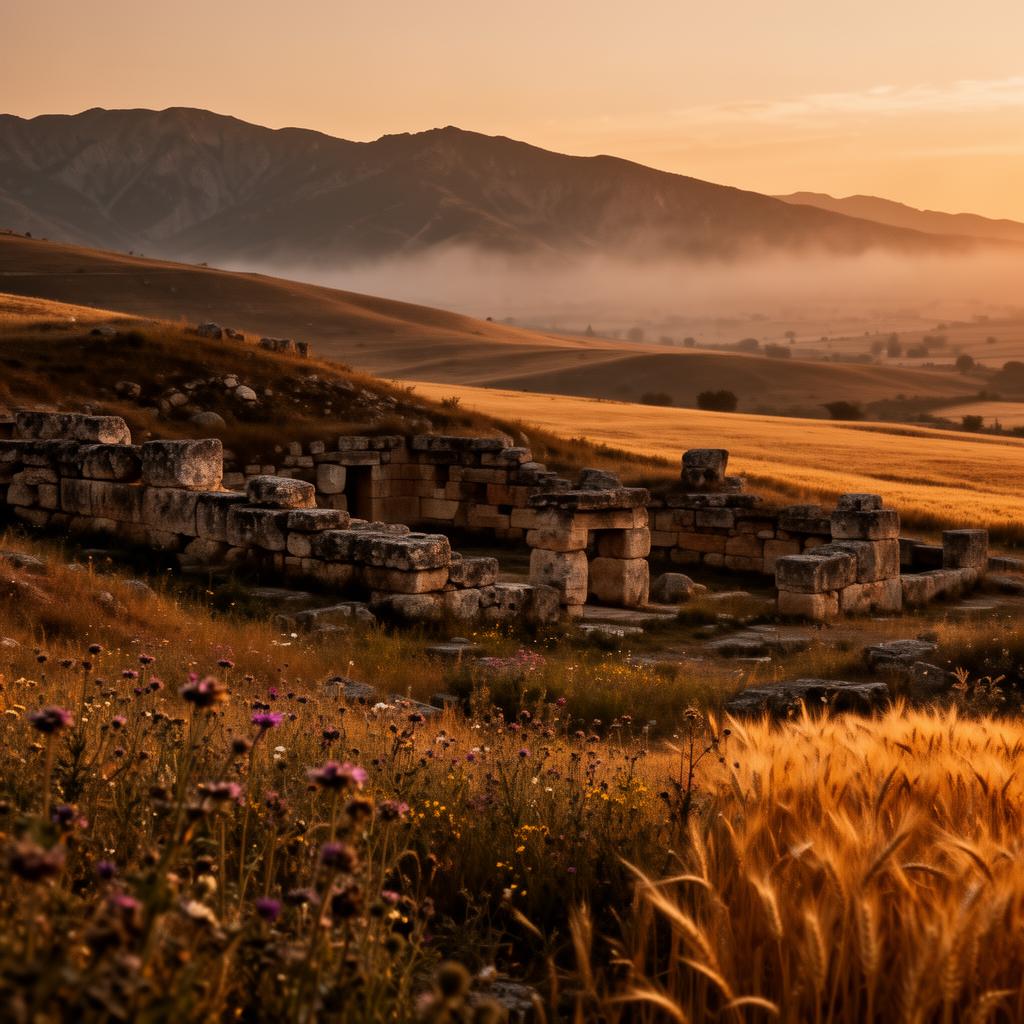
Where Roads Met and Cultures Gathered
On the plains of Anatolia, wheat was first cultivated and bread was first broken. The Hittites, Phrygians, and Urartians left a foundation of grain, herbs, and hearth — a cuisine shaped by mountain, river, and migration long before the word Turkish existed.
1200 BCE – 500 CE II · The Hearth
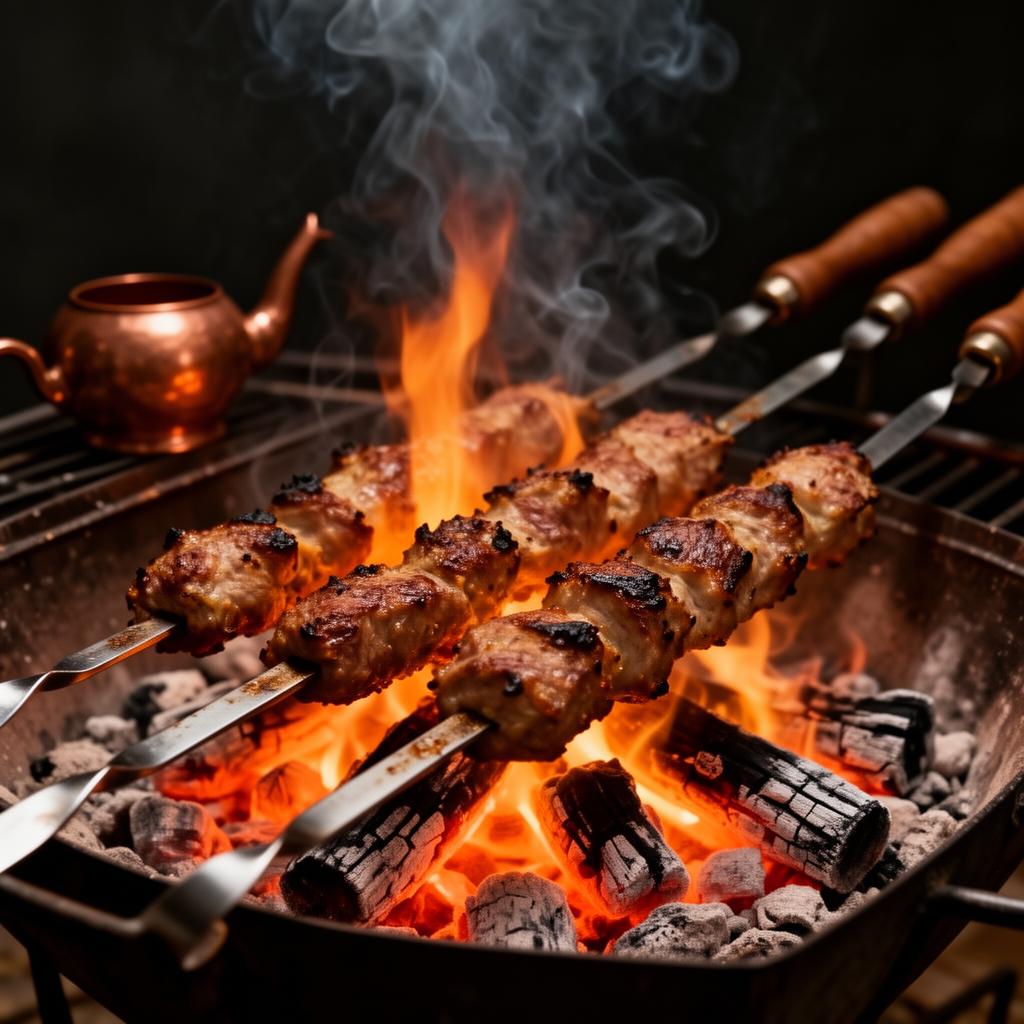
Fire as Foundation
Lamb on skewers. Flatbread on stone. The mangal — an open charcoal grill — became the heart of the kitchen. Across centuries, fire remained the truest tool: a way to honour the ingredient, the season, and the gathering around it.
200 BCE – 1400 CE III · The Silk Road
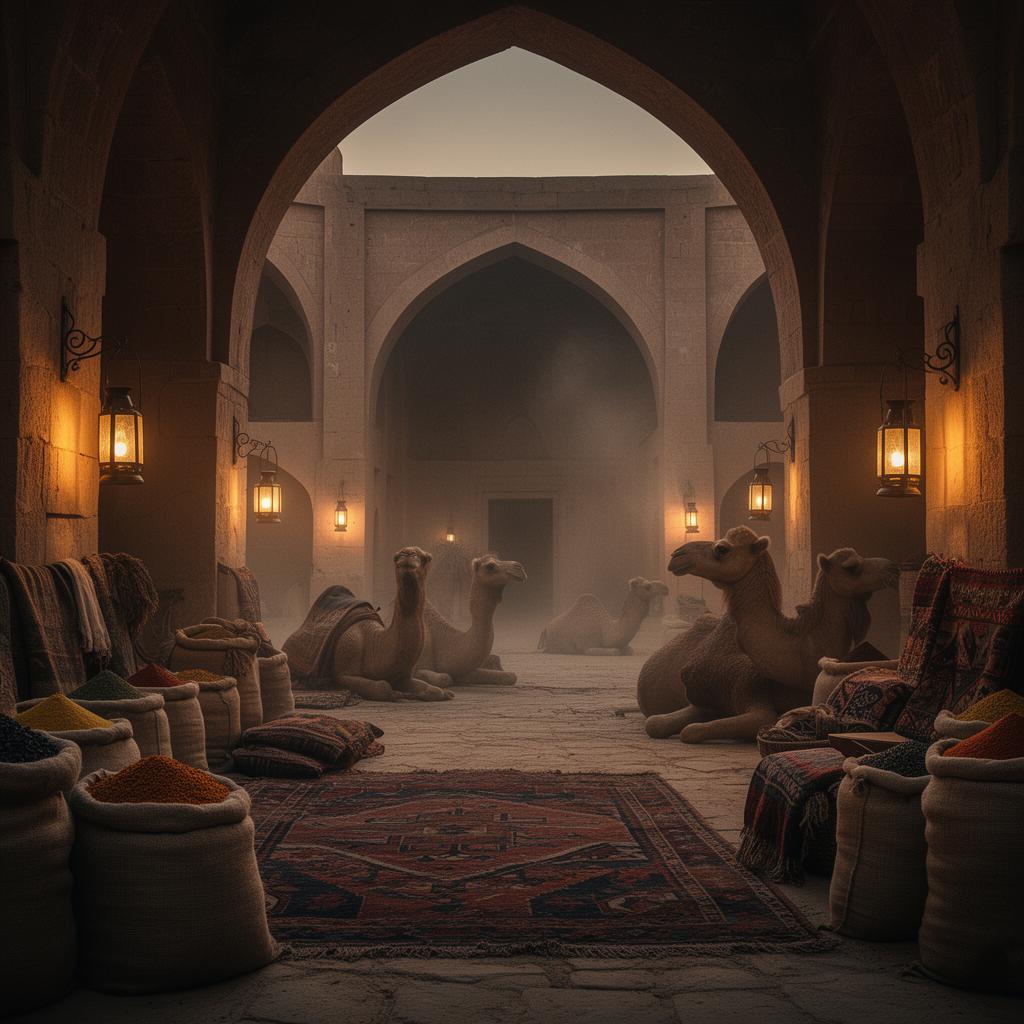
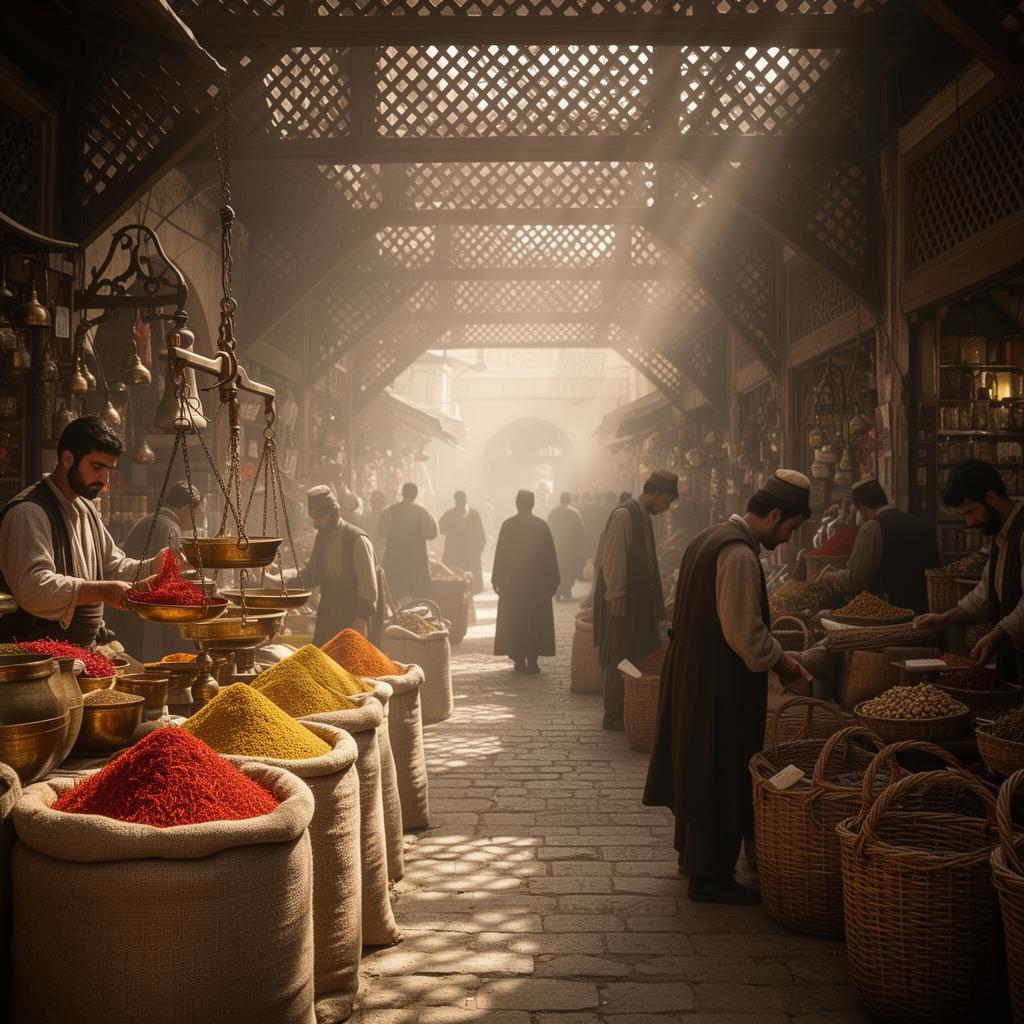
Spice, Trade, and the Spirit of the Han
Along the trade routes between East and West, hans and caravanserais rose every forty kilometres — a day's camel ride apart. They welcomed merchants with shelter, warmth, and a shared meal. They became places of exchange — of saffron and silk, of stories and recipes carried home.
1037 – 1299 IV · Seljuk Foundations
Nomadic Tables, Settled Kitchens
The Seljuk Turks brought yogurt, cultured dairy, and slow-cooked stews from the Central Asian steppe. As they settled across Anatolia, their nomadic traditions met Mediterranean abundance — olives, citrus, sesame — and a new culinary language began to take form.
1299 – 1922 V · The Ottoman Court
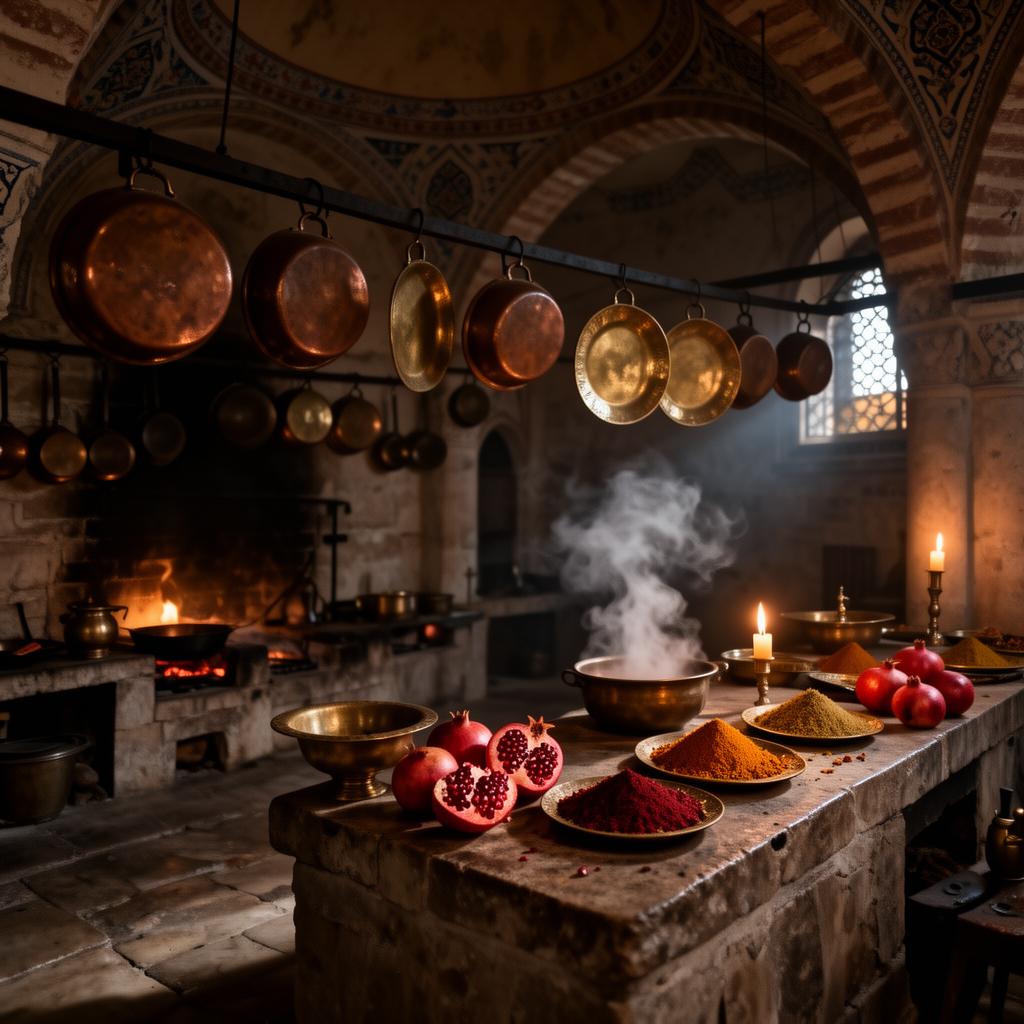
Palaces, Markets, and the Art of the Table
In the Topkapı kitchens, more than a thousand cooks served the Sultan in dedicated guilds — one for soups, one for sweets, one for pickles alone. From this discipline came baklava, dolma, pilaf, and a tradition of mezze: small plates eaten slowly, in company, never in a hurry.
1554 onward VI · Coffee & Conversation
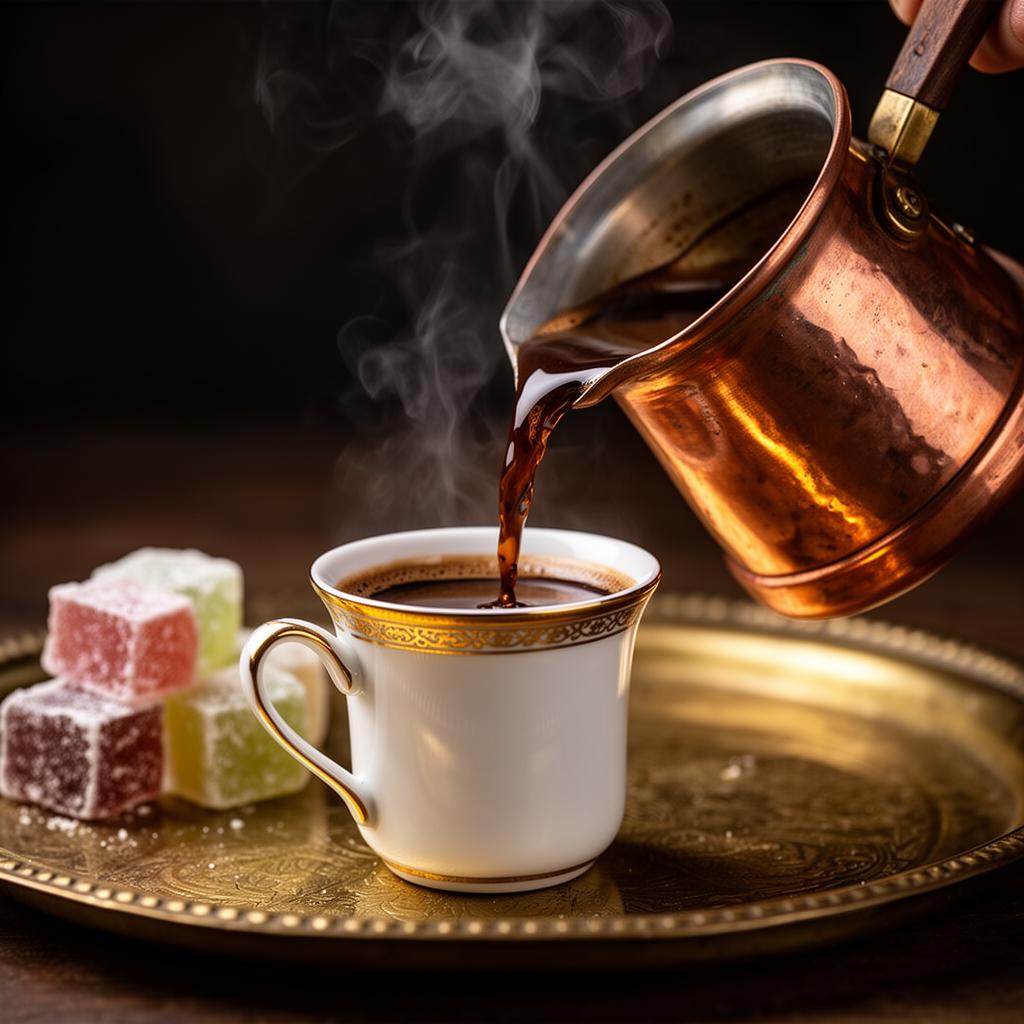
Ritual in a Small Cup
When the first coffeehouse opened in Istanbul in 1554, it changed the world. Turkish coffee — finely ground, unfiltered, brewed in a copper cezve — became a ceremony of patience and welcome. UNESCO names it a heritage of humanity. To us, it is simply how a guest is honoured.
16th – 19th century VII · Sweets & Celebration
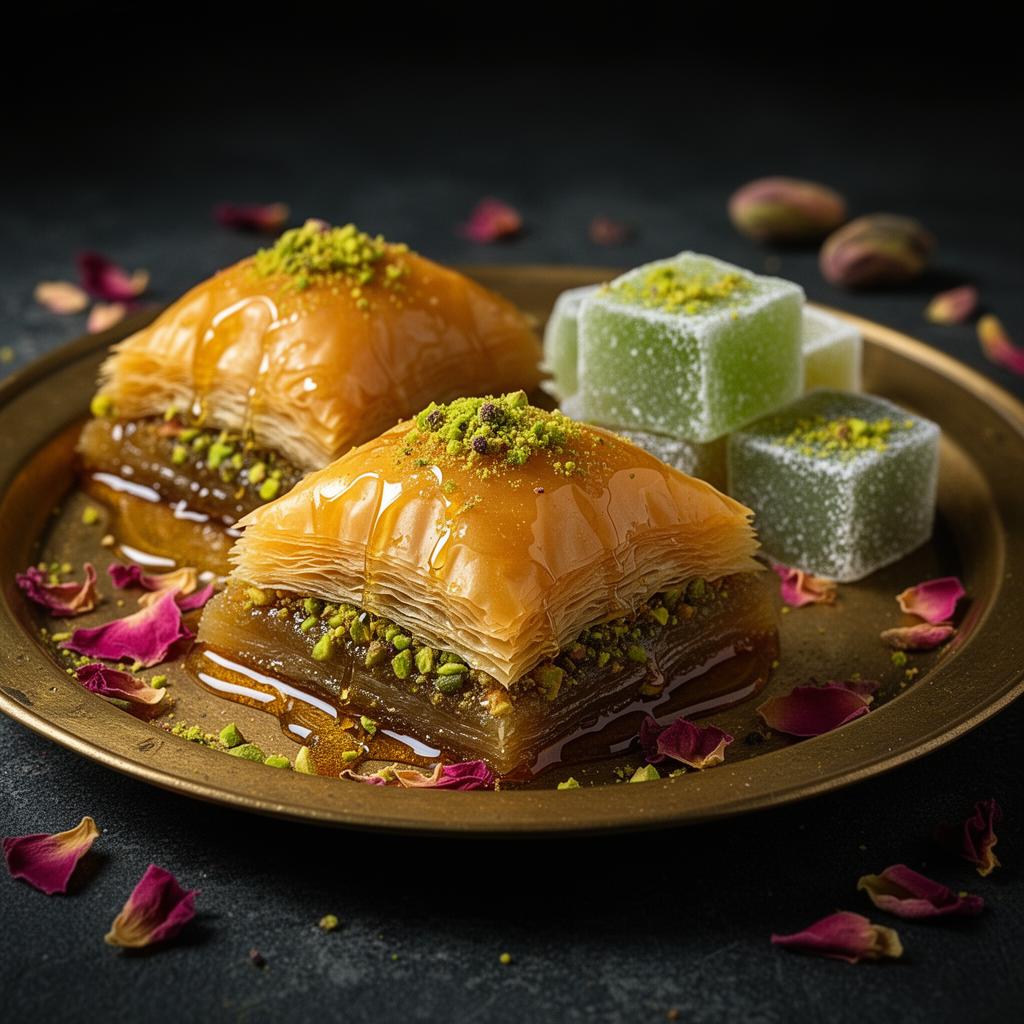
Honey, Pistachio, Rose
Baklava layered forty sheets thin. Lokum scented with mastic and rose. Künefe pulled hot from the pan. Turkish sweets are tied to weddings, to holidays, to the simple act of welcoming a neighbour. They carry memory in every fold.
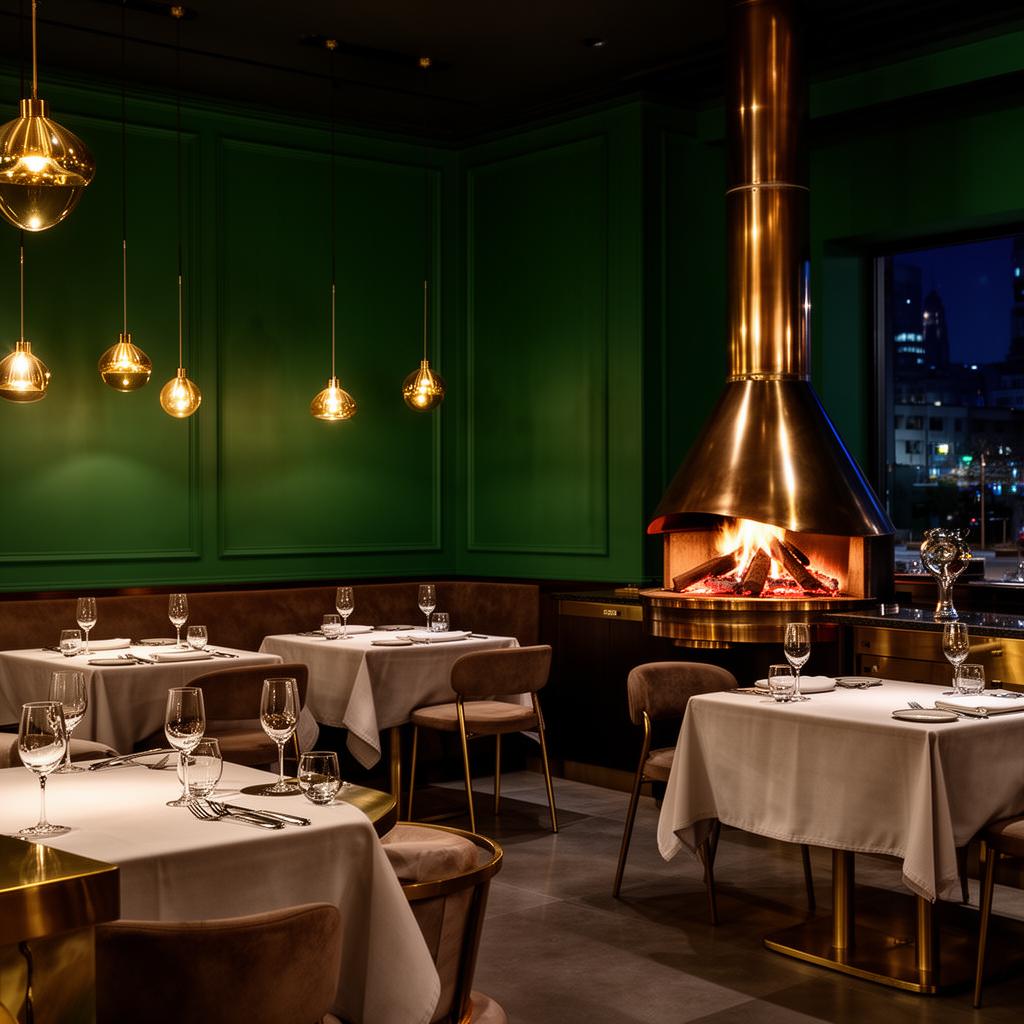
Winter 2026 VIII · HAN in Vancouver
A New Gathering Place on Commercial Drive
At 1003 Commercial Drive, HAN brings this lineage forward — an elevated Turkish kitchen built around fire, hospitality, and the timeless act of gathering. The caravanserai, reimagined for a new coast.
The Next Chapter
Coming Winter 2026
Join the waitlist for opening updates, preview dinners, and reservation announcements.
Join the Waitlist→